Therapist Burnout: My Experience with It + What Helped
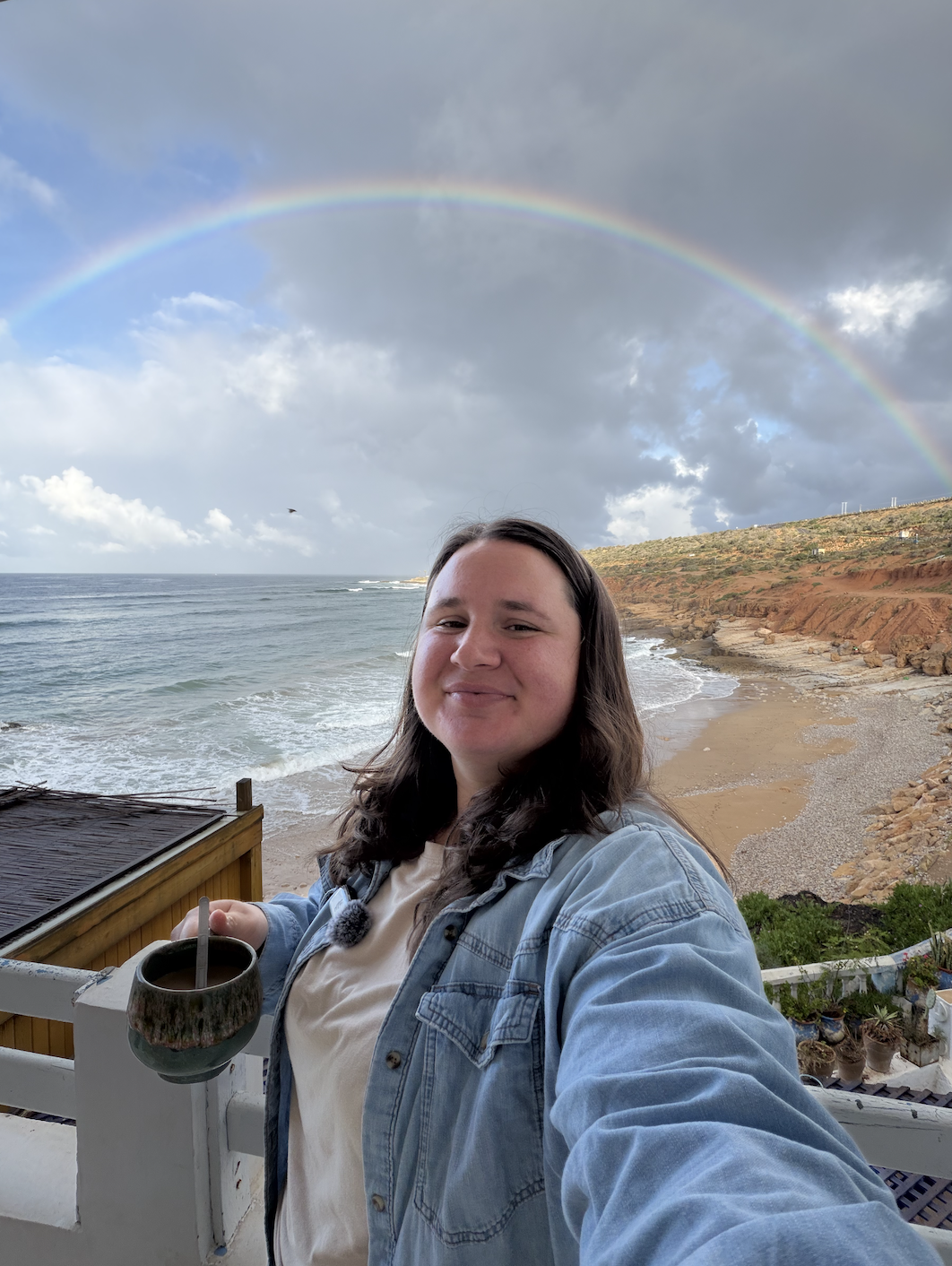
Hi, I’m Dr. Annie Krajewski. I cured therapist burnout by becoming a Digital Nomad Therapist and traveling the world while running my private practice full-time!
Therapist burnout isn't an abstract topic for me.
I lived it for years, first in grad school and then while running my private practice (which I thought would fix it for me, but spoiler alert: it didn't!). I tried all the usual advice, like getting more rest, and while it was nice, it only helped on a surface level.
What finally worked was a much deeper change to how I lived my life.
If you're a therapist struggling with burnout right now, here's a story about my experience with it, what helped and what didn't, and what might help you.
What is therapist burnout?
Therapist burnout is the chronic exhaustion that builds up when the emotional demands of the work outpace your ability to recover from them.
It's not the same as being tired after a long week or having one rough day with a difficult case. Burnout settles in over time and starts to change how you feel about your work (and life).
For me, it looked like dreading sessions I used to look forward to, feeling emotionally flat with clients I cared about, and wondering how long I could keep this up. That last one is the part that scared me, because I loved being a therapist and didn't want to lose that!
Some common signs of therapist burnout include:
Feeling drained and depleted, even after time off
Dreading your sessions or watching the clock during them
Emotional distance or numbness with clients (compassion fatigue)
Irritability, cynicism, or a shorter fuse than usual
Trouble sleeping or a constant low-grade sense of overwhelm
Questioning whether you can keep doing this work at all
If you're nodding along to a few of these, you're not broken, and you're NOT a bad therapist! You're describing something a huge number of us go through.
How common is therapist burnout?
Very common.
If you're feeling it, you're in a big group of people who feel it too! In one survey of 298 qualified therapists, 78.9% suffered from "high burnout," and 58.1% experienced "high disengagement."
78.9%?! That's HUGE.
Those numbers line up with what I see and hear constantly from other mental health professionals, both in person and online on social media. Burnout in the field really isn't an exception! It's closer to the default outcome of how the work is structured.
Why do therapists in the US burn out?
A lot of therapist burnout gets treated like a personal problem, as though you'd feel fine if you just managed your time better or cared a little less. But the causes are mostly built into the system we work in. It's not something that happens because of an individual flaw.
In my opinion, a few of the biggest drivers are:
Caseloads climb because the math only works when you see more clients, so your calendar fills with back-to-back emotional labor
Insurance panels pay low rates and bury you in paperwork, credentialing, and claims, which means hours of unpaid admin on top of your actual sessions
The work itself is heavy, and holding space for people's pain all day takes a toll
US work culture treats being busy as a badge of honor and rest as something you have to earn, so slowing down feels like failing
The whole model is organized around two weeks of vacation a year, which trains you to structure your entire life around brief escapes from it
When you look at it laid out like that, it makes sense that so many therapists end up depleted. The setup practically asks for it!
Figuring this out was the first thing that helped me stop treating my burnout as a character flaw and start treating it as a signal that something bigger needed to change.
My experience with therapist burnout
My burnout didn't start when I opened my practice. It started in grad school. I was working incredibly hard, running on fumes, and telling myself it was temporary and things would settle down once I finished and got "established."
Then I built my private practice, convinced that it would be the answer because I'd have more control over my schedule, my hours, and my clients. And for a while, I thought I'd cracked it!
But the exhaustion came right back, because I'd changed the setting without changing anything about how I was living or working. I was still packing my days full and tying my whole sense of a good life to the couple of weeks off I gave myself each year.
At some point, it clicked that trying harder was never going to fix this. I wasn't burning out because I was doing something wrong. I was burning out because the way I'd set up my life almost guaranteed it.
How to deal with therapist burnout?
If you search for advice on therapist burnout, you'll find the same list of suggestions almost everywhere:
Rest more and protect your time off
Pick up hobbies outside of work
Exercise, get outside, move your body
Lean on your support system
Set firmer boundaries with clients
Try therapy, supervision, or a support group of your own
None of this is bad advice! Every item on that list helps, and I'd never tell you to skip your day off or drop the hobby that you like. But these are band-aids on something much deeper.
A bubble bath is lovely! A yoga class clears your head! But neither one touches the burnout that's baked into your schedule and lifestyle. You do the self-care, you feel a little better, and then you go right back to the exact conditions that wore you down in the first place!
What actually helped my therapist burnout
The shift for me came when I stopped looking for another coping tool and admitted that something structural had to change. And for me, that something was where and how I was living.
I'd wanted to travel for as long as I could remember. My first trip abroad was during my degree, and it stuck with me. For years afterward, I'd see people online living and working from all over the world and feel a pull toward it, quickly followed by the thought that it couldn't apply to me.
I was a therapist, and I wanted to be a good one. A responsible one.
Before I could change my circumstances, I had to take apart some beliefs I'd been carrying:
That I couldn't enjoy my life and be a great, ethical therapist at the same time
That being good at this work required being depleted by it
That freedom and professionalism were somehow opposites
Untangling my burnout meant untangling those first. Once I stopped believing that I had to suffer to be taken seriously, the path forward opened up.
Becoming a digital nomad therapist
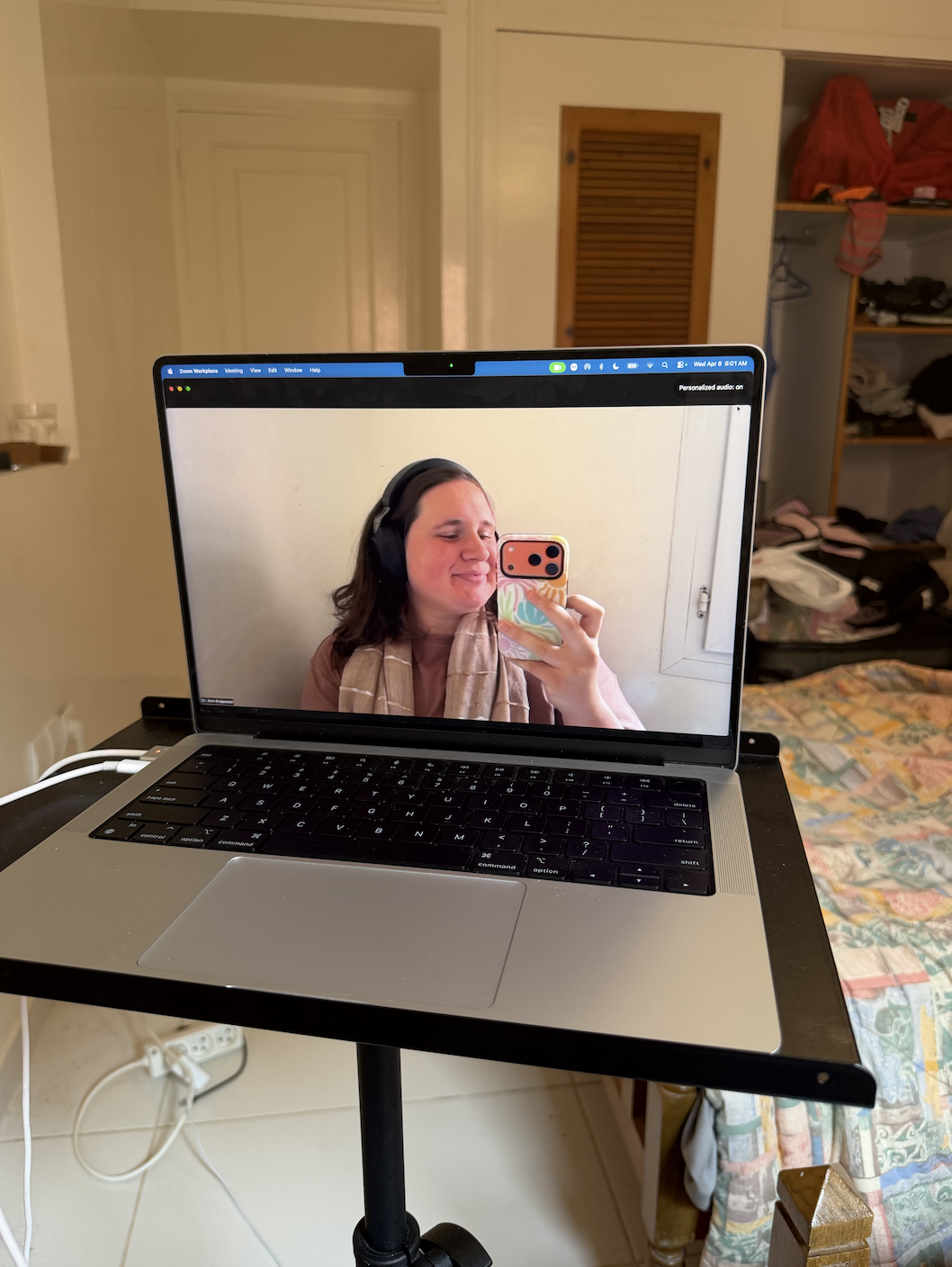
Seeing my clients while abroad.
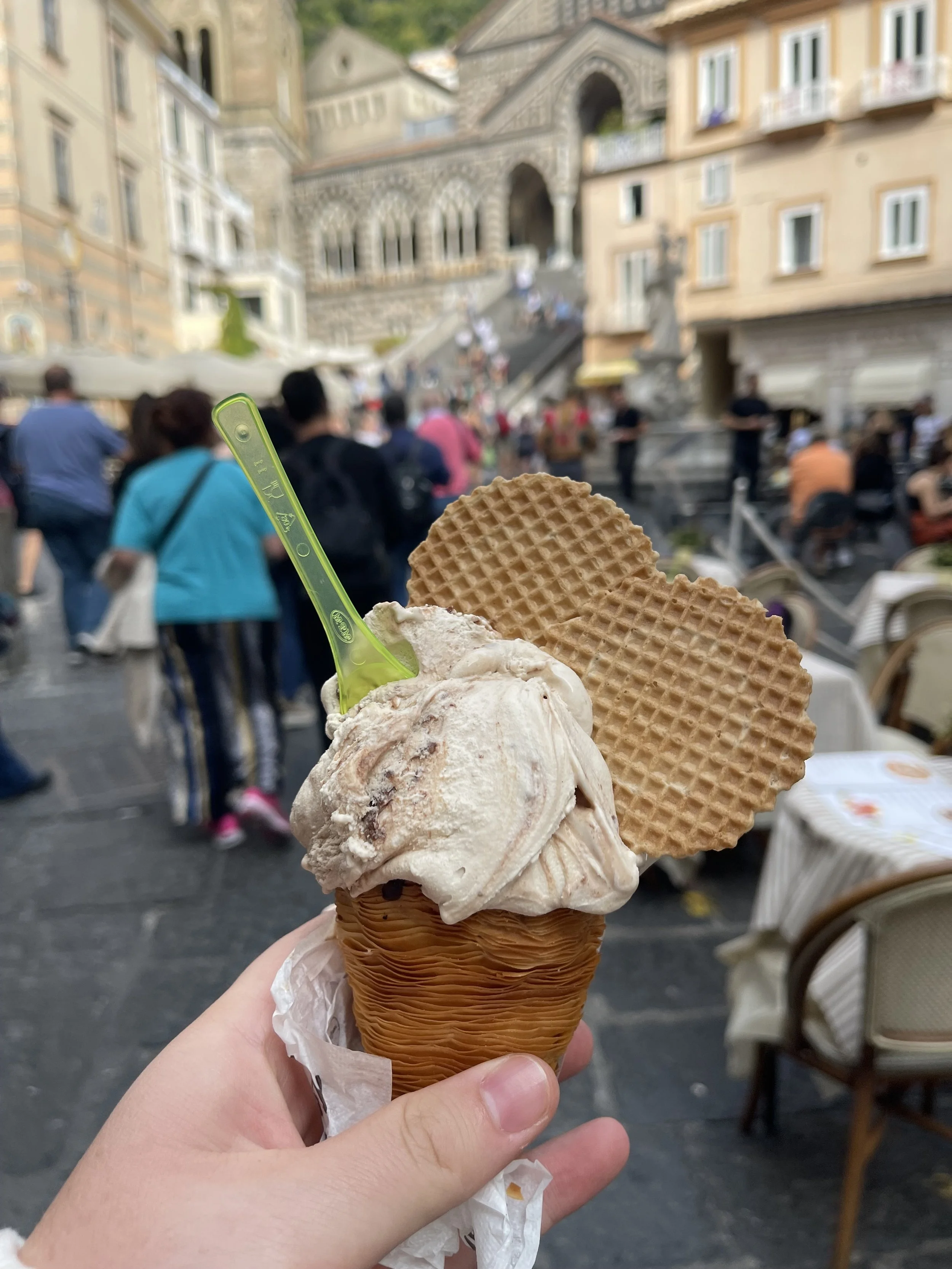
Traveling to Italy!
So I moved my practice abroad. Since then, I've lived and worked from Morocco, Thailand, Bali, and a handful of other countries while seeing my US-based clients.
None of this happened overnight, and it wasn't effortless. Taking my practice abroad and becoming an international therapist meant sorting through a huge stack of logistics, including:
Licensing and provider-location rules for practicing from outside the US
Taxes for a US-based business run from another country
An EHR and HIPAA-compliant tech stack that works internationally
Malpractice insurance that covers overseas practice
Visas, time zones, and payment processing
I worked through each piece, one at a time, and I came out the other side with a US-based private practice I could run from anywhere and a life built around what I needed to fulfill and fuel myself instead of what I thought I was supposed to do!
The change that got me out of therapist burnout
What pulled me out of burnout wasn't more rest, more time with friends, or more self-care. It was rebuilding my life from the ground up so it fit me.
I'll share what came from that, not to brag, but because I want you to see what's on the other side of a deeper change:
My practice grew to six figures while I worked less
I met my husband in Morocco
I had my daughter in Thailand
I now travel the world full-time with my family
And the part I most want you to hear is that living in a way that lined up with my needs made me a better therapist.
I showed up more present, motivated, and more myself for my clients than I ever did when I was grinding through burnout and thinking it made me more "dedicated."
So what kind of change do YOU need?
It would be easy to read all this as "travel is the cure." It isn't. Travel was my answer, not THE answer.
The invitation here is to get honest about what your burnout is pointing you toward. It's a signal, and it's pointing at something bigger than just adding a little more self-care to your schedule.
Maybe the change you need is travel, or maybe it's traveling a few months out of the year and staying home the rest, or maybe it has nothing to do with location at all, and it's about the shape of your practice, your caseload, or the kind of work you're doing!
Whatever it is, I hope you'll take your burnout seriously enough to ask the deeper question. You don't have to be burned out to be a good therapist. And you're allowed to want a life you don't need a vacation from.
Learn how psychologists can travel the world.
If a location change might be part of your answer to therapist burnout...
If, reading this, something in you perked up at the idea of running your practice from somewhere new, I've got resources for wherever you are in figuring that out:
Free guides: A great place to start if you're just curious what life as a digital nomad therapist could look like
YouTube channel: Learn more about my lifestyle as a digital nomad therapist + get lots of tips
Roadmap to a Nomad Practice: A personalized, done-with-you plan for when you're serious about taking your practice abroad
Out of Office Therapist Village: The community for ongoing support once you're ready to commit and want other therapists in it with you
You can also always reach out to me, and I can answer your questions and explain how I can support you!