Steps I Took to Build My Private Therapy Practice
If you’re a therapist—or a therapist-to-be—who has ever dreamed of opening your own private therapy practice, you’re not alone. For years, I knew I wanted more freedom, flexibility, and alignment than traditional systems could offer. I wanted to love my work and build a life that didn’t revolve around burnout.
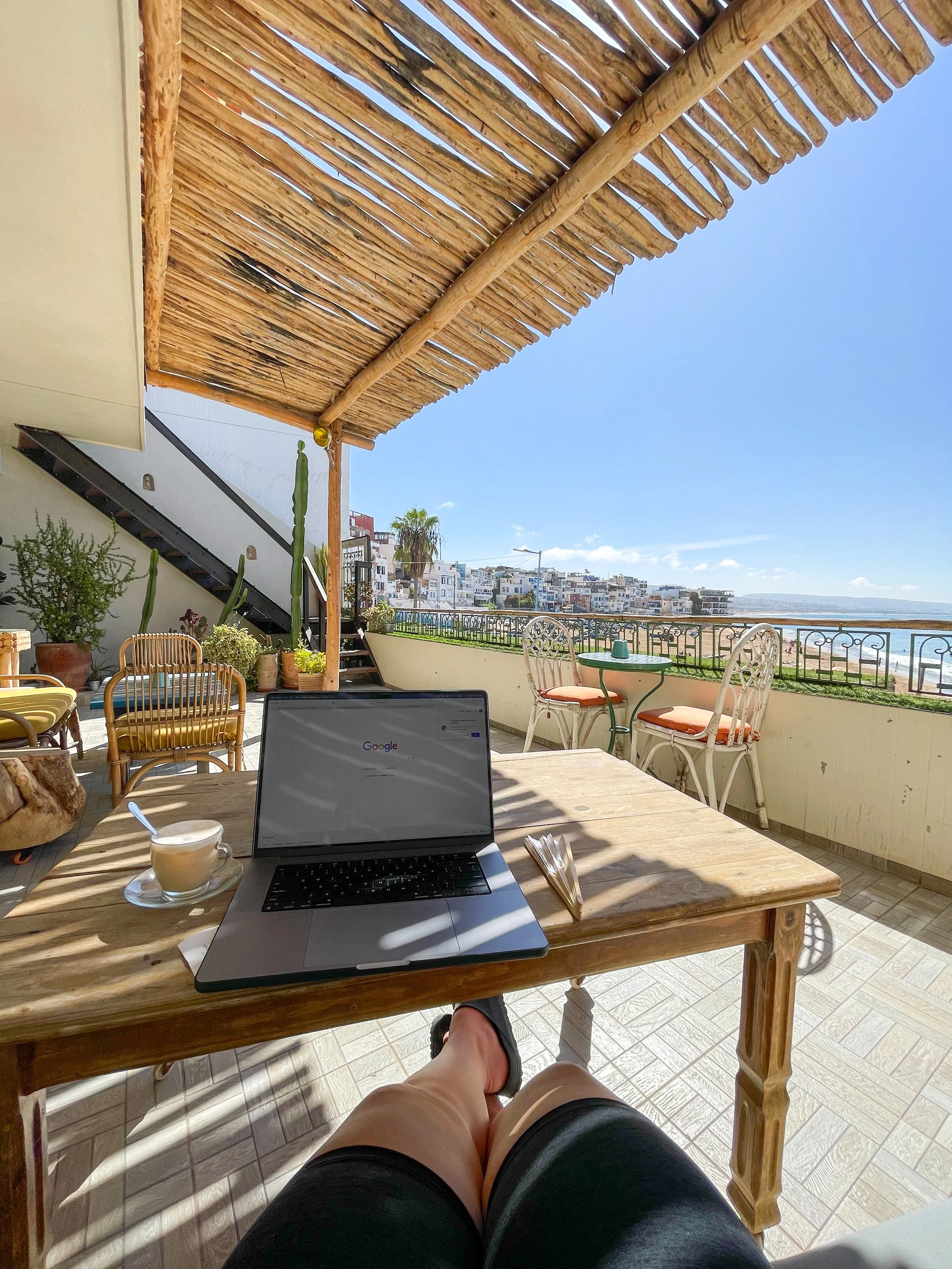
I’m Dr. Annie, a licensed clinical psychologist and traveling therapist. I opened my private therapy practice in 2021, and nearly three years later, it supports both my ideal client work and my ability to live and work abroad. In this post, I’m sharing the five key steps that helped me build a sustainable, values-aligned practice—without doing it all alone or burning myself out.
why i chose a private therapy practice
Before opening my private therapy practice, I worked in college counseling centers and outpatient mental health clinics. While those roles taught me a lot, they also showed me what I didn’t want. The systems prioritized productivity and profit over therapist well-being, and I felt myself heading toward burnout fast.
I wanted the freedom to:
Choose my ideal clients
Set session length and pace
Do deeper, longer-term work
Protect my energy and mental health
A private therapy practice felt like the only path that truly aligned with those goals.
step 1: i didn’t try to do it alone
One of the most important decisions I made was refusing to build my private therapy practice in isolation. Therapy programs don’t teach us business, marketing, or systems—and trying to figure it all out solo can slow you down significantly.
I invested in:
Consultations
Coaching programs
Educational resources
Not every investment was perfect, but every one taught me something. Even when a program wasn’t the right fit, it clarified what I needed next. Investing in support shortened my learning curve and helped me avoid common pitfalls.
Takeaway: You don’t have to know everything—you just need the right support at the right time.
step 2: i built a high-quality website (and took it seriously)
Your website is the foundation of your private therapy practice. It’s often the first interaction a potential client has with you, and it needs to build trust quickly.
I spent over 100 hours creating my first site and invested in:
A therapist-designed website template
Professional website copy
Brand-aligned design
Instead of DIY-ing everything, I used a template created by a former therapist turned web designer and paired it with strategic copywriting guidance designed specifically for therapists.
The biggest lesson? Specificity converts. When your website clearly speaks to your ideal client’s pain points, people feel seen—and they reach out.
Step 3: I invested in seo early
SEO (search engine optimization) was a game-changer for my private therapy practice. It’s what allowed me to consistently attract private-pay clients without relying solely on directories or social media.
By optimizing my website for Google searches like “anxiety therapist in [city],” I was able to:
Rank on the first page of Google
Attract aligned, motivated clients
Fill my practice faster than peers
Today, the majority of people who contact my private therapy practice find me through Google—not directories. SEO takes time, which is why starting early matters.
If freedom matters to you, SEO is worth the investment.
step 4: i went private pay and set strong boundaries

From the beginning, I chose to run a private-pay private therapy practice. I knew insurance panels would add administrative stress and limit how I practiced.
While private pay meant slower growth initially, it gave me:
Control over my rates
Fewer clients with higher sustainability
Less burnout long-term
I also implemented a strong cancellation policy early on. Moving from a 24-hour to a 72-hour policy dramatically reduced last-minute cancellations and protected my income.
Money boundaries aren’t selfish—they’re necessary for sustainability.
step 5: i kept other income while i built
One of the smartest decisions I made while growing my private therapy practice was keeping additional income streams at first. When I launched, I had about 8–10 clients—not enough to live on.
I continued working part-time in an insurance-based group practice while building my caseload.
That financial buffer allowed me to:
Make confident business decisions
Avoid panic marketing
Grow at a sustainable pace
Eventually, my private therapy practice replaced that income—but having support early on made the transition far less stressful.
what i’d tell any therapist starting out
Building a private therapy practice isn’t just about logistics—it’s about values. The choices you make early on shape your long-term experience as a therapist.
Here’s what truly made the difference for me:
Getting support instead of isolating
Treating marketing as essential, not optional
Playing the long game with SEO
Setting boundaries that protect your energy
Prioritizing sustainability over speed
Today, my private therapy practice supports both my professional goals and my personal life—and that freedom was worth every step.
If you’re in the process of building your own practice and have questions, you’re not behind—you’re learning. And you don’t have to do it alone. I’d love to coach you through building your dream private practice inside my membership for therapists!