5 Factors to Consider When Choosing a Country to Work From as a Travel Therapist
If you’ve ever thought about becoming a travel therapist—running a successful U.S.-based private practice while living abroad—you’ve probably realized that choosing where to work from isn’t as simple as picking a beautiful destination.
After more than a year and a half of living abroad while continuing to see my U.S. clients virtually, I’ve learned that certain countries support this lifestyle far better than others. The right location can make your work feel sustainable and expansive. The wrong one can quietly drain your energy, complicate your schedule, and add stress you didn’t anticipate.
If you’re considering becoming a travel therapist, or you’re already on this path and refining your approach, these are the five most important factors I recommend thinking through before choosing a country to work from.
1. time zone differences and scheduling reality
Time zones are often the first concern therapists have when considering life as a travel therapist—and for good reason.
When your clients are based in the U.S. and you’re living abroad, you generally have two options:
Adjust your schedule to match your new location
Keep your client schedule the same and absorb the time difference yourself
Both options come with pros and cons, and the “right” choice depends heavily on how long you plan to stay in a particular region.
Short-term travel can sometimes justify working odd hours. Long-term living usually requires more thoughtful scheduling if you want to avoid burnout. Working consistently through the middle of the night or very early morning can take a toll over time, even if it feels manageable at first.
If you’re early in your travel therapist journey and want to minimize disruption, countries closer to U.S. time zones—like parts of Mexico or South America—can be much easier places to start. Once you cross major oceans, time zone management becomes a much bigger part of your daily life and energy planning.
2. infrastructure: wi-fi, lifestyle, and medical care
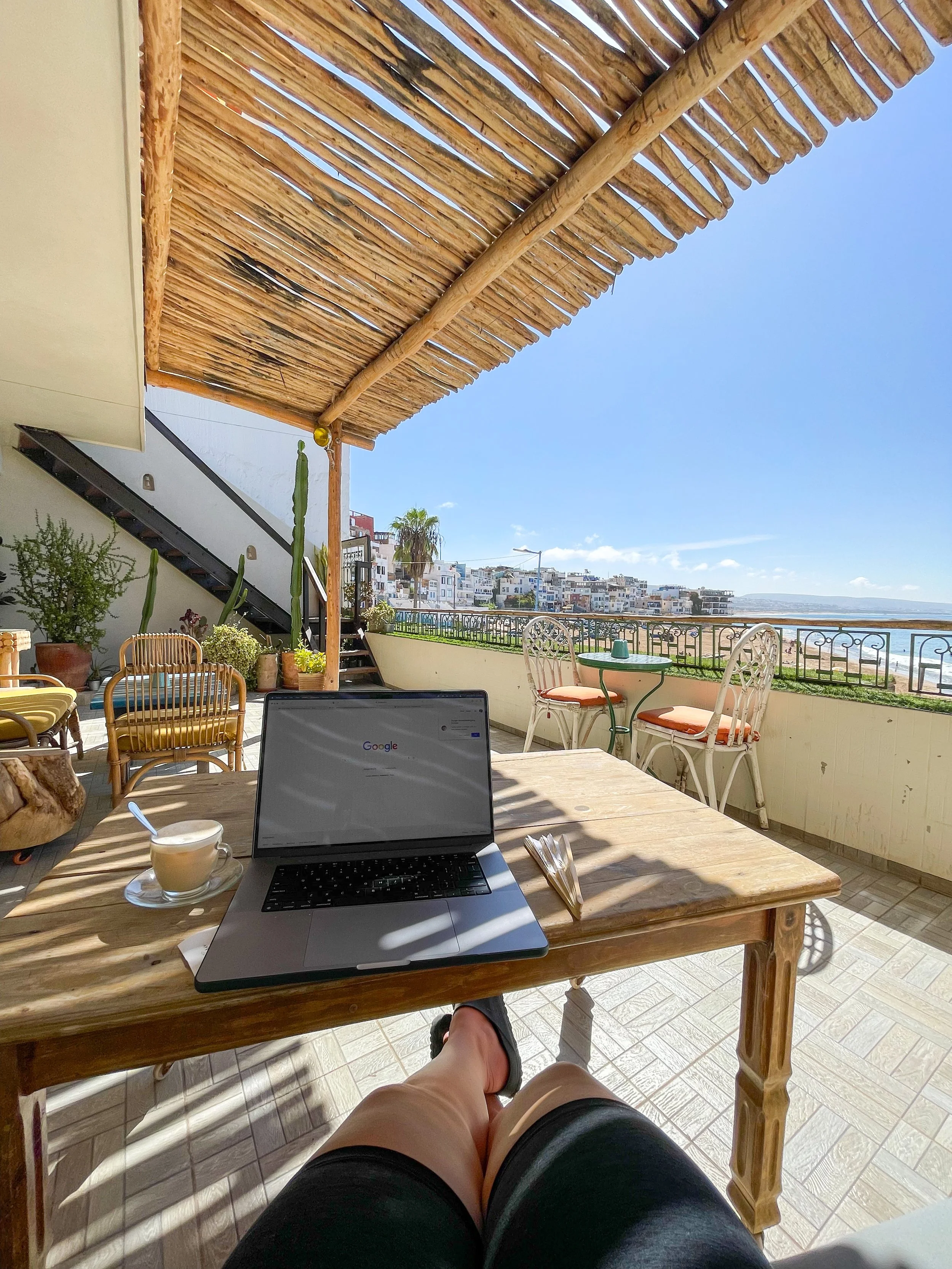
For a travel therapist, infrastructure isn’t a luxury—it’s essential. There are three key pieces to think about here.
reliable wi-fi
Strong, stable internet is non-negotiable if you want to keep clients and protect the quality of your clinical work. While many countries offer excellent internet in major cities, rural areas can be much less reliable. Research not just the country, but the specific region you plan to live in.
lifestyle compatibility
If you’re staying somewhere longer than a few weeks, daily life matters. Culture, pace, food access, routines, and social norms all impact how grounded you feel. As a travel therapist, you’re not on vacation every day—you’re building a life while holding space for others.
medical care
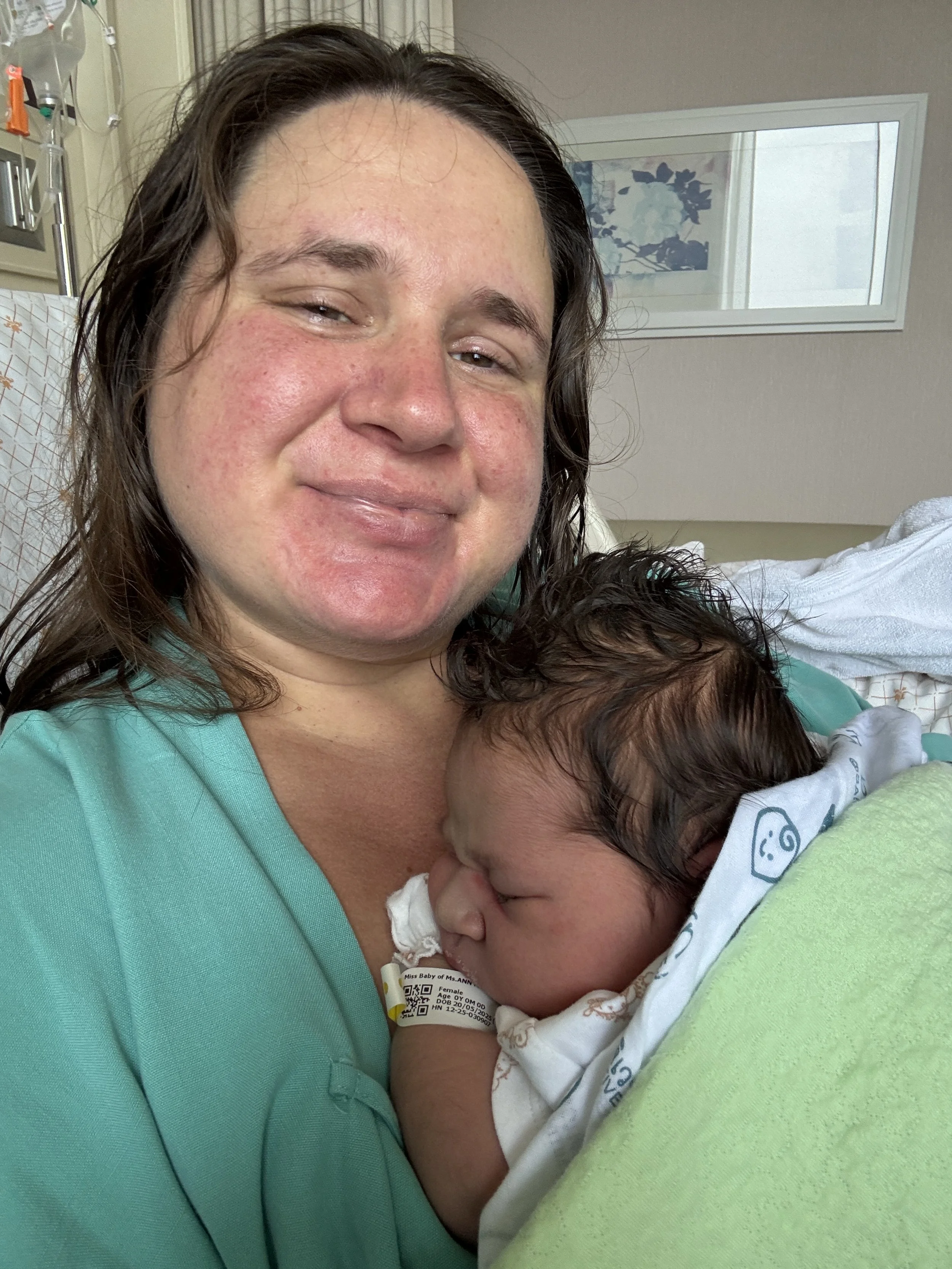
This was one of my biggest anxieties early on, but it’s become one of the most reassuring parts of living abroad. In many countries, healthcare is easier to access, more affordable, and just as high-quality as in the U.S.
That said, it’s important to research:
Prescription access
Ongoing medical needs
Whether certain medications are restricted
A sustainable travel therapist lifestyle requires trusting that your health needs can be met where you’re living.
3. distance from home
Another often-overlooked factor is how far you’ll be from the U.S.—and how often you expect to return.
If you anticipate needing to travel home frequently for family, personal, or professional reasons, staying closer geographically can make a big difference. Long-haul flights are not only expensive, but physically taxing, especially when done repeatedly.
For travel therapists who want flexibility without constant jet lag, countries in Central or South America often provide a good balance of cultural immersion and manageable travel distance.
4. cost of living (especially housing)
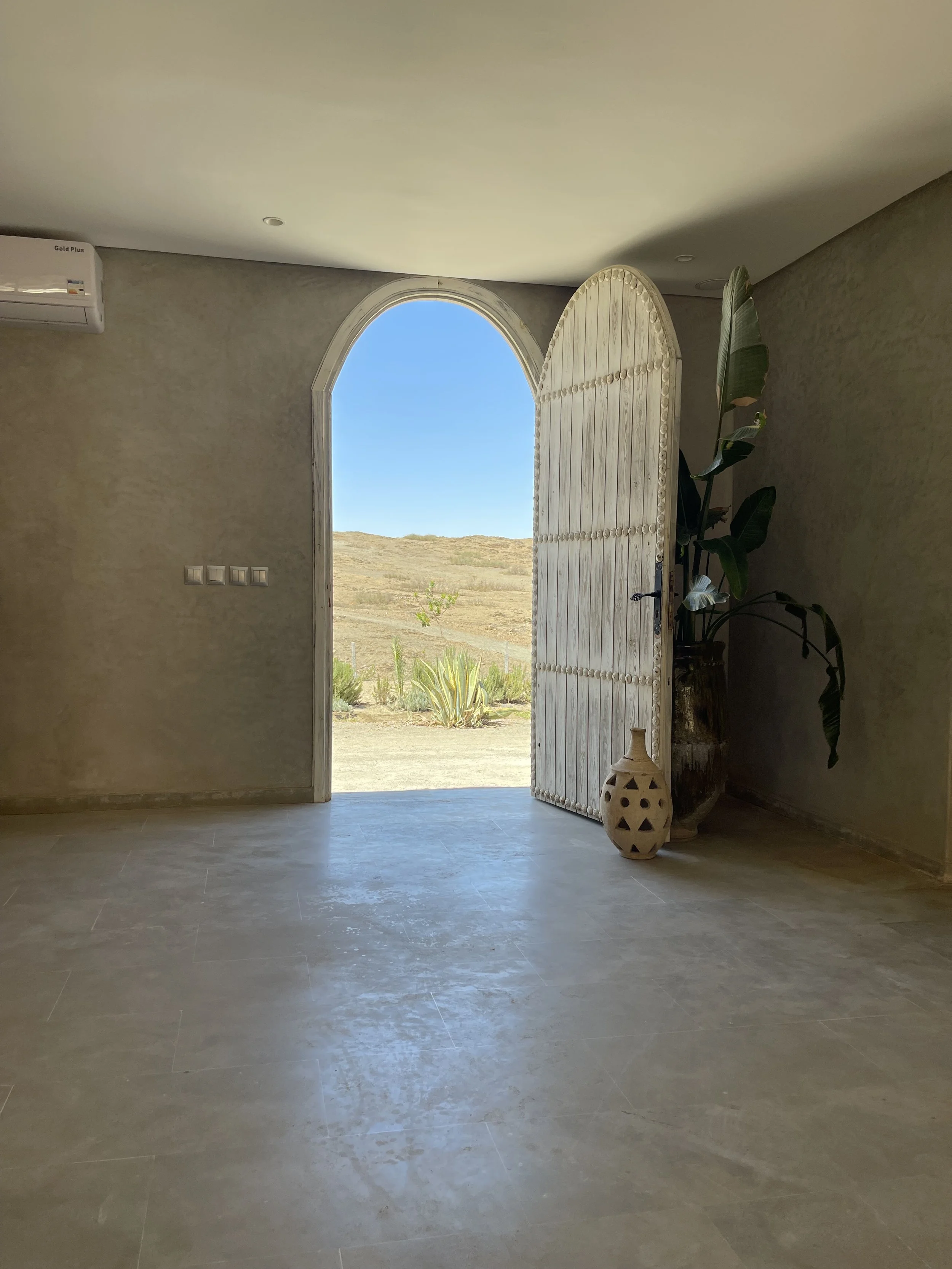
One of the reasons many therapists consider working abroad is to improve quality of life—but that doesn’t automatically happen everywhere.
Before choosing a country, I strongly recommend building a budget based on lower-income months in your practice, not just your best months. Seasonality, holidays, and travel can all affect client attendance.
Housing is usually the biggest expense for a travel therapist. Unlike backpackers, you’ll likely need:
A private space
Reliable internet
Sound privacy for sessions
This often means paying more for accommodation, especially in popular or tourist-heavy areas. Research housing costs carefully so you don’t recreate the same financial stress you were hoping to leave behind.
5. visa options and length of stay
Finally, visas play a huge role in determining whether a country works for you long term.
Many U.S. passport holders can enter countries easily for short stays, but longer-term living requires more planning. Some countries offer extended tourist visas or digital nomad visas, while others require proof of income, savings, or professional status.
As a self-employed travel therapist, you may need to provide additional documentation or consider working with a visa professional. If longer-term living abroad is part of your vision, it’s worth researching these options early so you can plan financially and logistically.
Choosing a Country is Choosing a Work Container
Being a travel therapist isn’t just about where you can go—it’s about where you can work well, stay regulated, and build a sustainable rhythm.
The country you choose becomes part of your clinical environment. It affects your energy, your schedule, your nervous system, and ultimately the quality of care you’re able to provide.
With thoughtful planning and realistic expectations, this lifestyle can be deeply fulfilling—and far more sustainable than many therapists expect.