Transitioning Back to the U.S. After 2 Years Abroad: What I Wasn’t Ready For
After two years of living abroad in Morocco, Thailand, and Bali, I’m back in the United States—and the transition has been more emotionally complex than I expected.
When people imagine returning home after living internationally, they often assume it will feel comforting or familiar. In some ways, it does. But transitioning back to life in the U.S. after years abroad has brought a surprising amount of culture shock, grief, and reflection.
I want to share honestly what this season of transitioning has been like—not just logistically, but psychologically. If you’ve lived abroad, are considering it, or are preparing for a return home, you may recognize parts of yourself in this experience.
from a 2-week trip to a whole new life
In August 2023, I traveled to Morocco for what was supposed to be a two-week vacation. I loved it so much that I extended my stay by a month. Two days into that extension, I met my now-husband.
That one decision changed everything.
Over the next two years, we lived across multiple countries, eventually spending extended time in Thailand and Bali. Most recently, we were in Thailand for five months, where I gave birth to our daughter. In July 2025, we transitioned back to the United States, where we’ve now been for several months.
Living abroad changed me deeply. Transitioning back has made that change even more visible.
Cars vs. Walking
transitioning back to car culture
One of the most immediate culture shocks has been needing a car again.
When I decided to live abroad full-time, I sold my car and never missed it. Not having to think about car payments, insurance, parking, or traffic felt incredibly freeing. Daily life revolved around walking, public transportation, and taxis.
Transitioning back to the U.S. meant buying a car again—and confronting just how expensive and necessary car ownership is in most parts of the country. While there’s convenience in having your own vehicle, it also comes with a level of stress I hadn’t realized I had shed while living abroad.
This aspect of transitioning has reminded me how differently our environments shape our nervous systems.
the loss of walkable, connected living
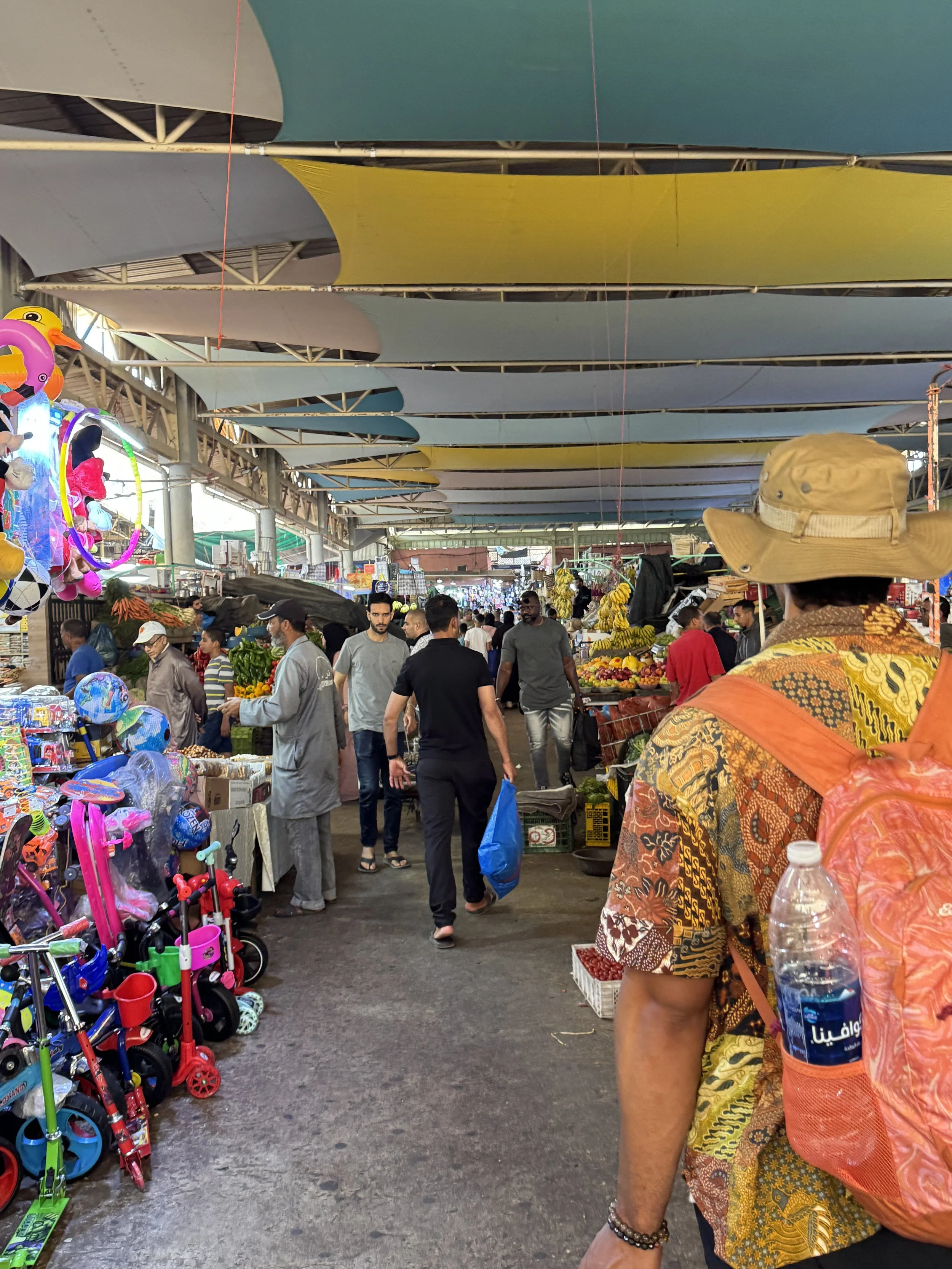
Closely tied to car culture is the loss of walkability.
Living abroad meant walking as a built-in part of daily life. Whether I was heading to a café, a market, or a session location, movement was woven into the day. Transitioning back to the U.S., I noticed how little walking is required—and how disconnected that feels.
Even though we go on daily walks now, it’s not the same as living in a place where walking is necessary for life, not optional for exercise. This part of transitioning has been surprisingly emotional, highlighting how much I value embodied movement and spontaneous connection.
Comforts & Conveniences
comforts of home—and what they really mean
Some parts of transitioning back have felt comforting in the best way.
After years of moving between furnished apartments, it’s been grounding to sleep in the same bed, cook in a fully stocked kitchen, and use a washer and dryer without thinking twice. These comforts brought a sense of stability I didn’t realize I was missing.
At the same time, transitioning back has shown me how quickly comfort can slide into excess—and how much we normalize accumulation in the U.S.
small conveniences you don’t think about until they’re gone
One unexpected joy of transitioning back has been the reliability of public restrooms.
In many places abroad, you can’t assume a bathroom will be available—or free—or stocked with toilet paper. I became accustomed to carrying tissues everywhere. Transitioning back to a place where restrooms are accessible and predictable feels oddly luxurious.
It’s a small thing, but it highlights how transitioning between cultures recalibrates what we consider “normal.”
convenience without connection

Another surprising part of transitioning has been how little human interaction is required to live in the U.S.
You can order groceries, meals, household items, and clothing without speaking to a single person. Even in stores, self-checkout minimizes interaction. While convenient, this aspect of transitioning has felt deeply isolating.
Living abroad required constant interaction—with drivers, shop owners, neighbors, and strangers. Even without sharing a language, connection was unavoidable. Transitioning back has highlighted how convenience can quietly erode community.
language, identity, and re-entry
One small but telling moment during this transition was realizing I no longer needed to translate “thank you” in my head.
After years of switching between languages, speaking English everywhere again felt strangely disorienting. Transitioning back reminded me how much identity becomes shaped by the environment—and how re-entry involves subtle psychological shifts, not just physical relocation.
Consumerism
transitioning into American consumer culture
Perhaps the biggest adjustment has been re-entering American consumerism.
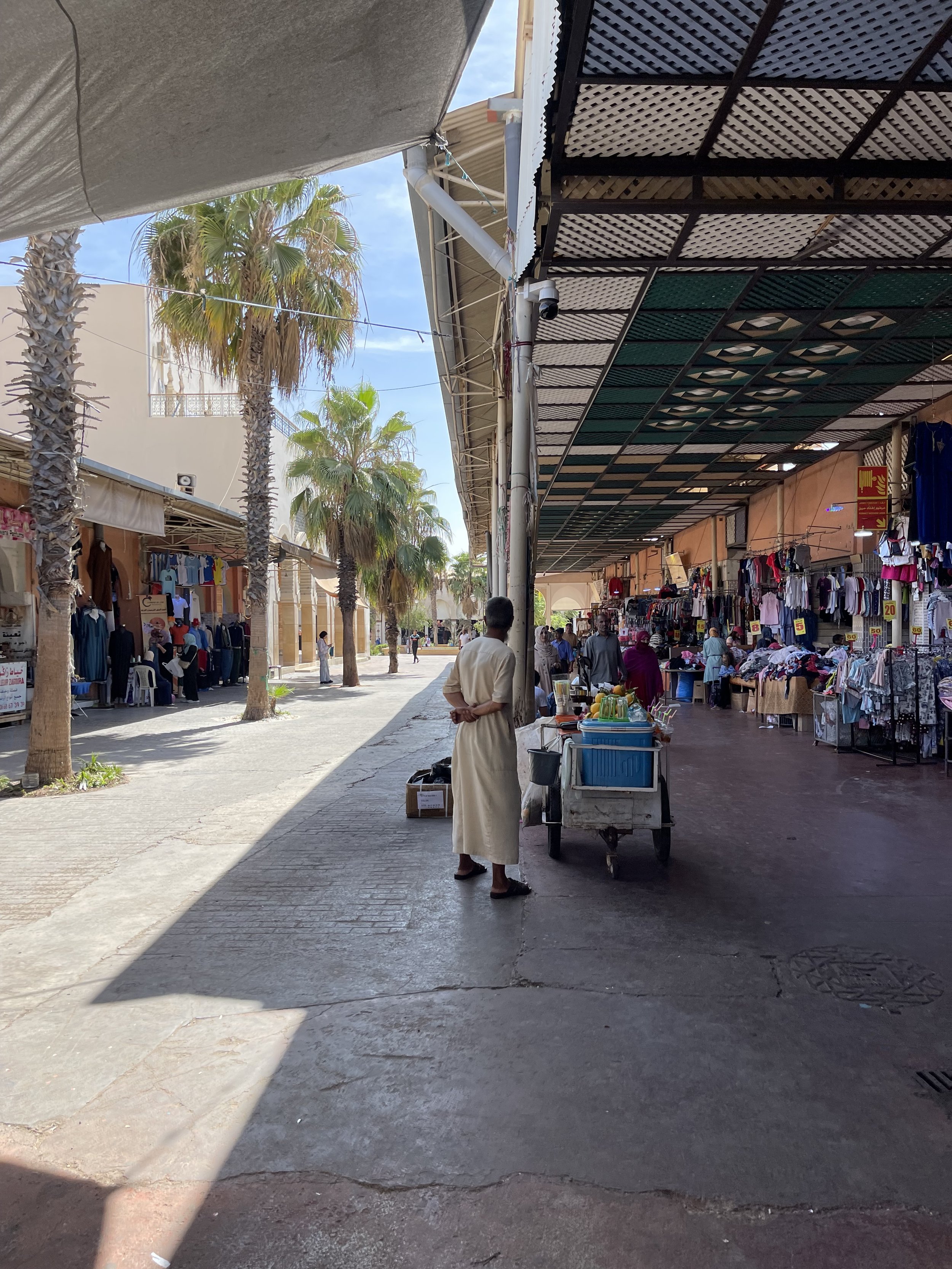
After two years abroad, the intensity of advertising, convenience, and constant purchasing pressure feels overwhelming. Transitioning back to the U.S., I noticed how quickly Amazon became a reflex—and how tempting targeted ads feel when they’re designed to anticipate your needs.
Living abroad created natural barriers to consumption. Shipping was complicated, stores were small and local, and many things simply weren’t available. Transitioning back has required conscious effort to resist the pull toward constant buying.
This shift has made me more aware of how consumer culture affects mental health, contentment, and attention.
what transitioning has taught me
Transitioning back to the United States hasn’t been bad—but it hasn’t been simple either.
It’s been a reminder that growth often brings discomfort, and that reverse culture shock is real. Living abroad expanded my values around simplicity, connection, and intentional living. Transitioning back has forced me to integrate those values into a culture that often moves in the opposite direction.
This season has been less about judgment and more about awareness.

final reflections of transitioning home
If you’re preparing for a move back home—or already in the middle of transitioning—know that mixed emotions are normal. Gratitude and grief can exist at the same time. Comfort and discomfort often overlap.
Transitioning doesn’t mean going backward. It means integrating who you’ve become into a new (or familiar) environment.
And sometimes, the hardest transitions are the ones that show us how much we’ve changed.