Feeling Stuck in the U.S.? Why Becoming a Travel Therapist Might Be Easier Than You Think

If you’ve ever caught yourself daydreaming about working from somewhere other than your office—or even outside the United States—you’re not alone. Many therapists crave more freedom and flexibility but feel boxed in by their license, their clients, or the structure of private practice.
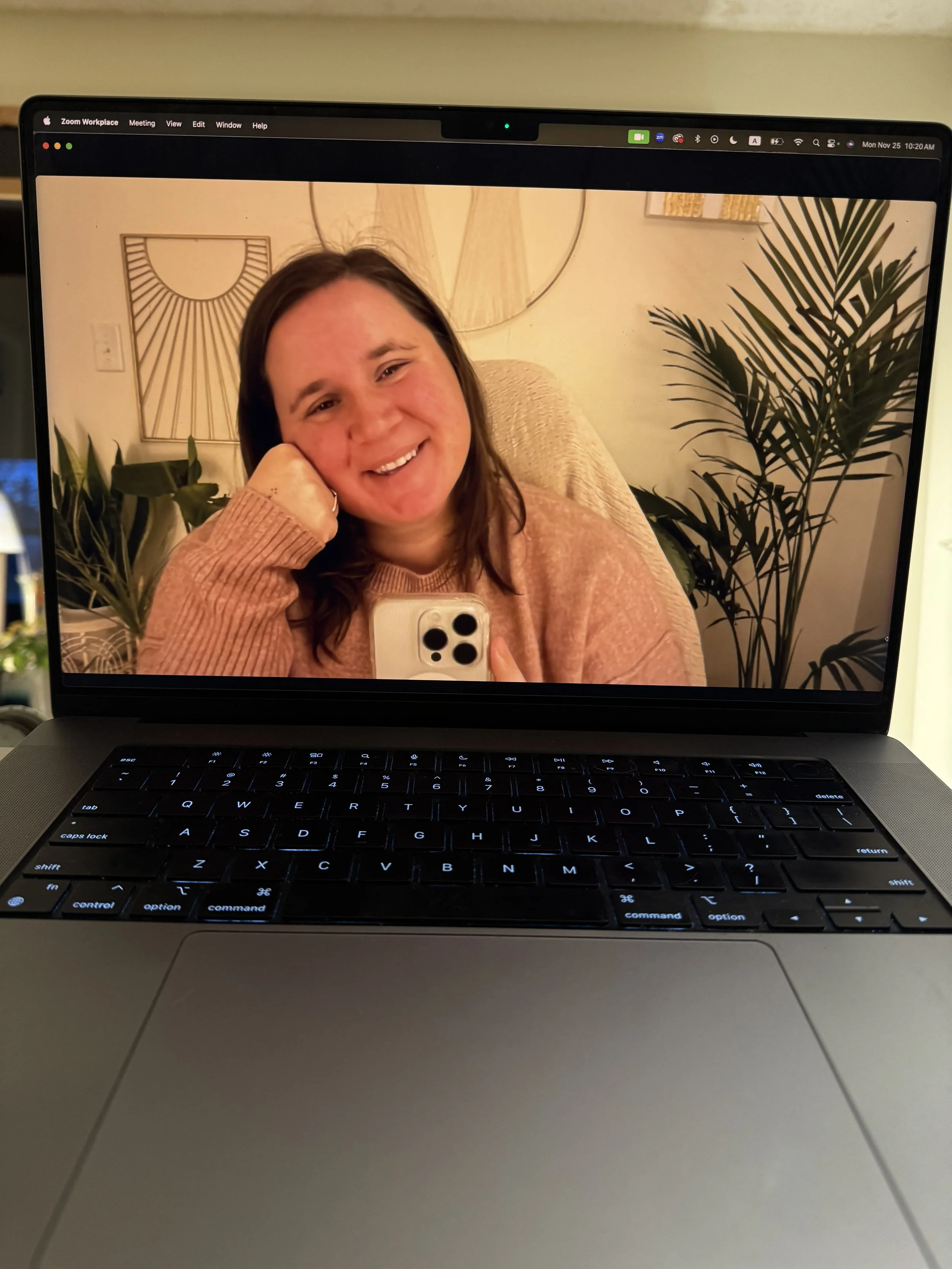
I’m Dr. Annie, a licensed psychologist and travel therapist, and I want you to know something important: the reasons therapists feel stuck are often based on assumptions—not actual limitations. And most of those barriers are far more solvable than you’ve been led to believe.
why so many therapists feel stuck in the U.S.
Most therapists assume becoming a travel therapist isn’t possible because of three things: licensing laws, client retention, and finances. The belief is that therapy work must be done from one physical location, that clients won’t stay if you move abroad, or that living internationally is financially unrealistic.
These fears are understandable—but they’re rarely rooted in fact.
Barrier #1: “It’s legally impossible to work abroad as a therapist”
This is the number one concern I hear from therapists who want more mobility. The good news? In most cases, licensing boards care about where your client is located, not where you are physically providing services.
Many therapists assume that restrictions around interstate practice also apply to therapist location—but for most licenses, that simply isn’t true. While a small number of boards do restrict where a therapist can be located, this is the exception, not the rule.
If you’re considering becoming a travel therapist, the most important step is confirming this directly with your licensing board. Once you do, you may realize that working from another country is completely permissible while maintaining your U.S.-based practice.
You’ll also want to review other legal questions—like liability insurance and your EHR. I’ve created a free resource that walks through the four main legal considerations before starting traveling therapy so you can feel secure and confident.
barrier #2: “how will i get clients while abroad?”
Another common fear is that living abroad will make it impossible to attract clients. However, building a successful practice as a travel therapist relies on the same foundation as any online private practice: visibility and connection.
The key is building a strong online presence. Some strategies to consider for traveling therapy include:
A professional website with clear, engaging copy
Google My Business or other location-friendly business profiles
Social media platforms like Instagram, TikTok, or YouTube
Online directories such as Psychology Today or Zencare
The key is building a marketing strategy that doesn’t rely solely on in-person networking. When done well, your location becomes irrelevant to your clients.
One important caveat: if you rely heavily on insurance panels or third-party platforms, you’ll want to review their specific policies. Even if your license allows it, some platforms have restrictions around therapist location—something to plan for if you’re pursuing the travel therapist lifestyle.
barrier #3: “i don’t have enough money saved to move abroad”
Many therapists assume they need massive savings to live internationally. In reality, the cost of living in many countries is significantly lower than in the U.S.
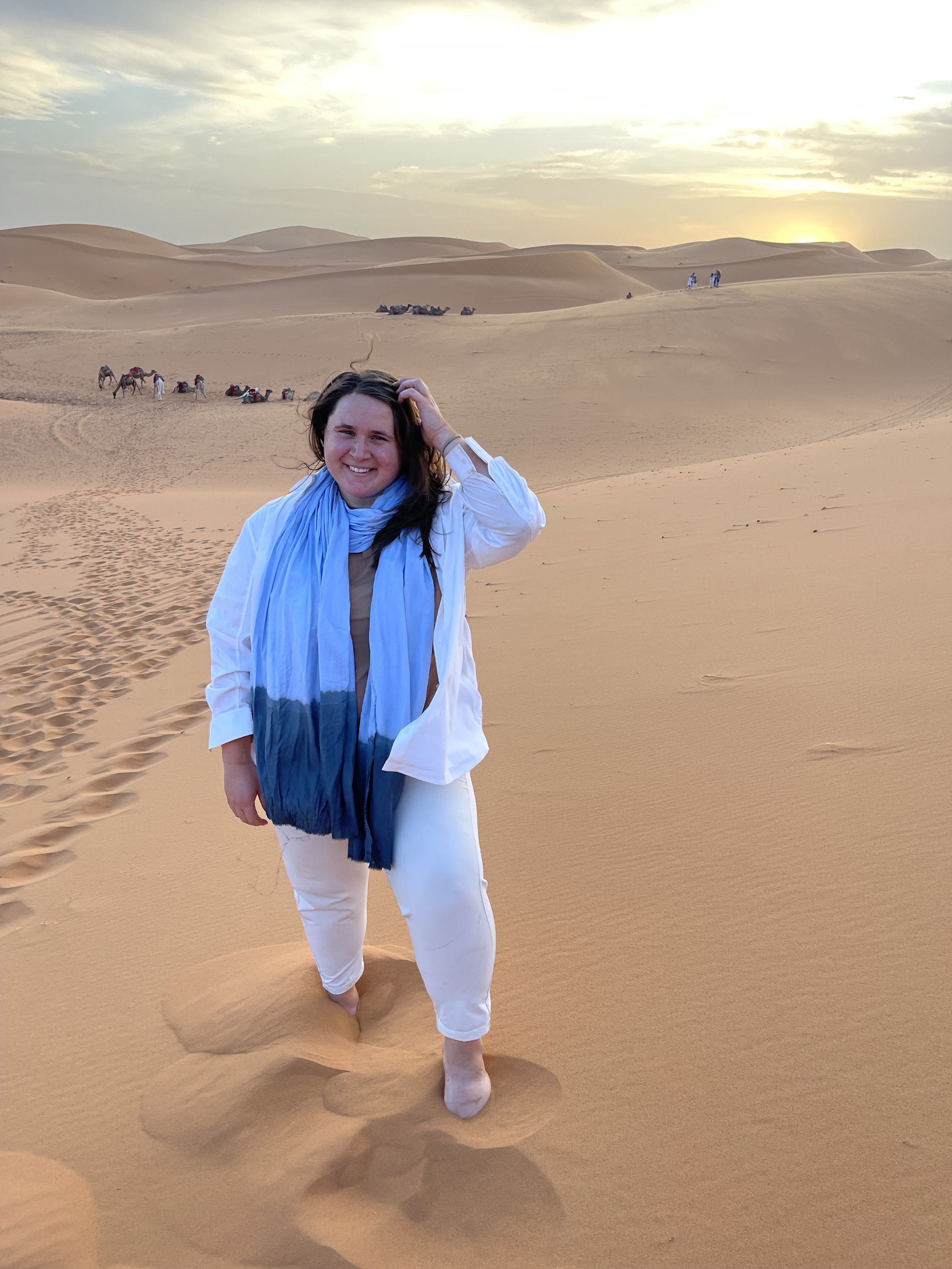
As a travel therapist, I’ve lived in places like Morocco, Thailand, and Bali—often with a smaller caseload and a higher quality of life than I ever had stateside. Housing, food, transportation, and healthcare are often far more affordable, allowing therapists to work fewer hours while still meeting their financial needs.
You don’t need to see 30 clients a week to make this work. A thoughtfully structured practice with a manageable caseload can support a comfortable life abroad.
you’re not stuck—you just haven’t explored the options yet
It’s natural to feel uncertainty when thinking about becoming a travel therapist. Fear often convinces us we can’t make it work. But with planning, support, and accurate information, freedom is possible—and life-changing.
If exploring new countries while maintaining your U.S.-based practice is your dream, don’t let fear decide for you.
want more support?
If you want guidance on building a flexible private practice, working online as a therapist, and exploring traveling therapy, check out my resources or join my newsletter for deeper support.