A Day in the Life of a Travel Therapist
People often imagine that life as a travel therapist is one long vacation—working from cafés, squeezing sessions in between adventures, and feeling endlessly free. The reality is more grounded, more nuanced, and honestly more meaningful than that.
My days are a blend of clinical work, everyday logistics, self‑care, and the small moments that make a place feel like home. This is what a typical day looks like for me as a travel therapist running a fully virtual private practice.
A Typical Day in My Life
morning: slow starts and real life logistics
Most mornings begin quietly. I don’t roll out of bed and immediately open my laptop. Instead, I ease into the day—getting ready, stepping outside for fresh air, and taking care of basic life tasks that don’t disappear just because I live abroad.
Transportation looks different when you don’t own a car. Getting where I need to go often requires patience and flexibility, and plans don’t always run on a strict schedule. That unpredictability used to stress me out, but over time it’s become part of the rhythm of life as a travel therapist.
I’ve learned to build buffer time into my days and to release the expectation that everything will operate with the same efficiency I was used to in the U.S.
If you’re curious what this actually looks like in real life, here’s a full day-in-the-life video from my time living and working in Morocco, where I walk through the rhythms of my mornings, client sessions, and everyday life as a travel therapist.
midday: errands, appointments, and community

One of the biggest fears I hear from therapists considering this lifestyle is whether everyday necessities—like medical care—will be complicated or inaccessible. In my experience, that hasn’t been the case.
Appointments are often surprisingly straightforward, affordable, and human. I’ve found that living abroad doesn’t mean sacrificing quality care—it just means learning how systems work in a new context. As a travel therapist, navigating these moments has helped me build confidence and trust in myself.
Meals are usually simple and social. Sometimes that looks like cooking at home; other times it’s eating out because it’s the most practical option. Life abroad tends to blur the line between errands and connection, which is something I didn’t expect but deeply appreciate.
work hours: therapy across time zones
My workday often looks very different from a traditional 9–5. Because my private practice is based in the U.S., time zones are one of the biggest adjustments of being a travel therapist.
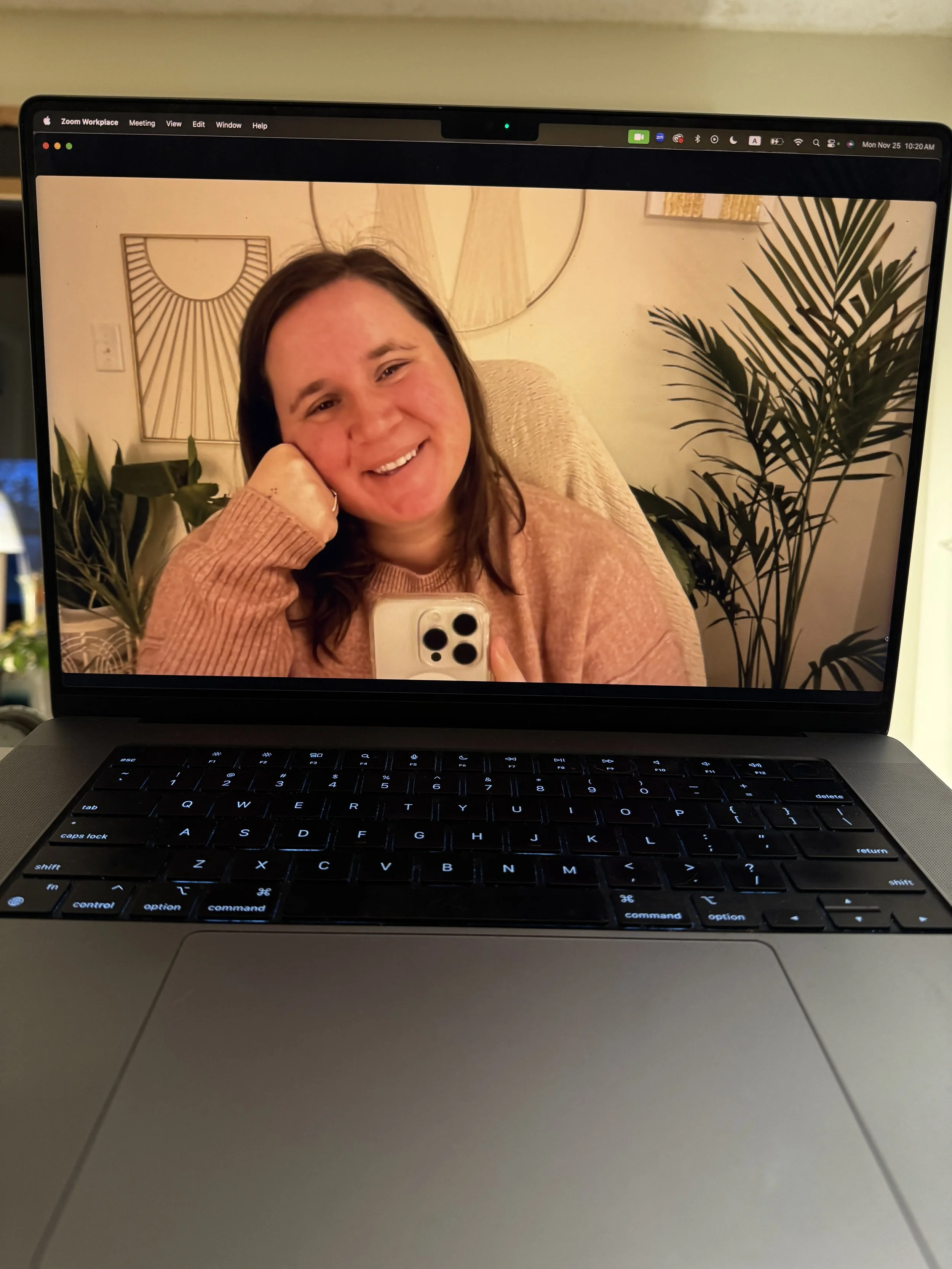
Some days start extremely early. Other days stretch late into the evening. I’ve made intentional choices to keep my schedule as consistent as possible for my clients, even when it requires personal sacrifice.
During session days, I’m fully a therapist—not a traveler. I’m in a private, quiet space with secure internet, focused on my clients and the work we’re doing together. Travel doesn’t eliminate responsibility; it just changes the backdrop.
Between sessions, I manage documentation, emails, and the behind‑the‑scenes admin that comes with running a private practice. Being a travel therapist means carrying both clinical and operational roles wherever I go.
I’ve also documented what a typical workday looks like during a different season of my life as a travel therapist living in Thailand—showing the early mornings, behind-the-scenes admin, and how I structure my days while working virtually.
after work: rest, movement, and regulation

When my sessions end, rest becomes non‑negotiable. Working odd hours requires intentional recovery, especially nervous‑system care.
Some days that looks like movement or spending time outside. Other days it’s choosing comfort and familiarity—watching something light, calling loved ones, or simply being quiet.
One thing I’ve learned as a travel therapist is that consuming too much heavy news or content after a full day of emotional labor can be dysregulating. I’m much more protective of what I let into my system now than I was earlier in my career.
The Reality of Being a Travel Therapist
Life as a travel therapist isn’t always glamorous. There’s extra admin, scheduling challenges, and occasional discomfort. Housing doesn’t always work out as expected. Internet quality matters more than aesthetics. Privacy is non‑negotiable.
And yet, the trade‑off has been worth it.
My work‑life balance feels more sustainable. I move my body more. I feel more present in my own life. Running a private practice no longer feels like it requires sacrificing my curiosity or autonomy.
Being a travel therapist has taught me that freedom doesn’t mean absence of structure—it means building a structure that supports the life you actually want.
Membership
If you’re drawn to this lifestyle, you don’t need to have everything figured out right now. I’d love to support you through the transition from being a therapist in private practice to being a digital nomad therapist. A sustainable life as a travel therapist is possible—and it can look far more grounded than Instagram makes it seem. In my membership for aspiring (or current) digital nomad therapists, I coach you through all the steps you need for success.